Data centers are considered to be the keystone of enterprise business in the constantly dynamic environment of information technology. The network infrastructure used should be efficient, reliable, and scalable to ensure that the services are not interrupted. The patch panel belongs to the list of numerous elements that form the network ecosystem of a data center. Patch Panel Manufacturers are a relatively neglected issue in data center performance, but they are an important part of the data center as they make the connectivity processes more efficient, better organized, and easily manage the network.
Optimizing Network Organization
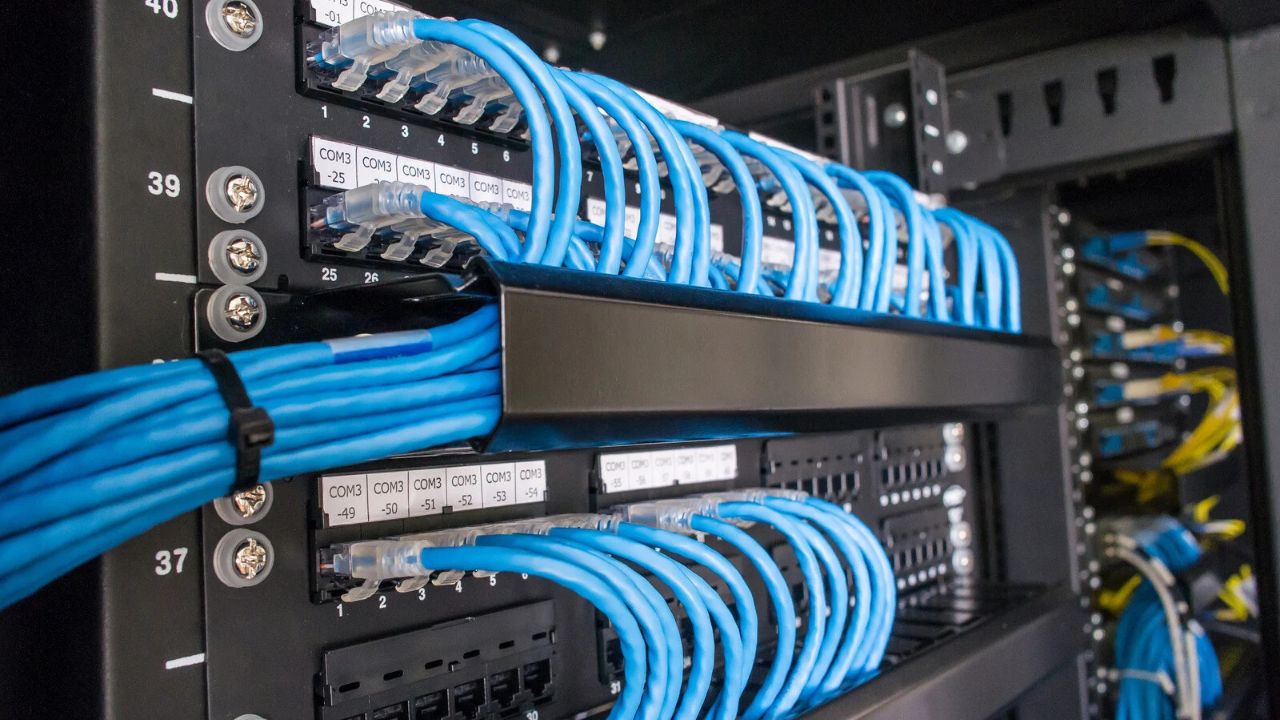
A patch panel is a focal point at which a variety of network cables can be brought together to allow a discipline-based connection strategy. The patch panel enables a tidy, orderly structure instead of simply connecting equipment, e.g., servers, switches, routers, etc., to each other using single cables. This design ensures less cable clutter, and network administrators can find connections much more easily, isolate any problems, and do maintenance work. This organization reduces the risk of errors and downtime in a data center environment where hundreds or even thousands of connections are present, which directly increases performance.
Reducing Network Downtime
Network uptime is one of the most vital issues of data center performance. An improperly handled cabling system may result in accidental disconnects, wrong configurations, and problems during maintenance. Patch panels address these risks through offering a standardized interface that is stable between network devices. By having labeled ports and systematized cabling, technicians are able to isolate and fix network problems very fast without interfering with the other connections. Such a feature not only decreases the time that a potential outage has, but also makes it possible to have regular upgrades and maintenance processes run in a seamless manner, which is part of a more resilient network infrastructure.
Facilitating Scalability
The modern data center is required to support expansion and change in technology. A major problem with expanding a network without a patch panel is that it usually involves complicated rewiring and may cause a major disruption in operations. Patch panels do make adding, removing, or rearranging network connections easier. Patch panels are configured to enable the easy addition of servers, switches, or storage devices by the provision of a flexible interface.
Enhancing Signal Integrity and Performance
Signal quality is directly related to network performance in a data center. Poorly terminated or untidied cables may cause an introduction of interference, crosstalk, or signal degradation, and lead to a reduction in the speed of transmissions and also loss of data. Patch panels of high quality, especially those intended to be used with Cat.6, Cat. 6A, or Cat. 7 cabling, offers accurate terminations that preserve signal quality throughout all the connections. Shielded patch panels, including FTP or STP versions, further enhance the reduction of electromagnetic interference to ensure the high-speed data transfer is constant and reliable. Such focus on the quality and order of cables is a direct benefit to the overall performance of the data center.
Simplifying Network Management
An effective network management forms the foundation of highly performing data centers. Patch panels are used in monitoring and controlling network connections at a central point. Patch panels simplify the process of catering to large-scale cabling, giving administrators a faster response to the operational needs, which eventually enhances service delivery and performance.
Supporting Advanced Technologies
With the deployment of new technology in the data centers, virtualization, cloud computing, and high-density servers, the pressure on the network infrastructure is rising. Patch panels are required to have the required flexibility to accommodate such technologies. Patch panels have a high-density and modular configuration to enable effective routing of data to reduce latency and bottlenecks. This feature assures that the current applications, which are likely to involve real-time processing of data, can run at their peak speed and performance.
Conclusion
Patch panels are not merely their connectivity devices, but rather, important ingredients that improve the data center's overall performance. Patch panels have a direct impact on operational efficiency and reliability by promoting organization, reducing downtime, improving scalability, ensuring signal integrity, and managing networks. With the ever-changing nature of data centers to address the increasing technological needs, the functions of patch panels in facilitating the high-performance, resilient, and adaptable network infrastructures are becoming important. Effectively deployed patch panels are not only efficient in maximizing the physical cabling environment, but it also facilitates the data center in providing consistent and high-speed services that could satisfy the needs of the operations of the modern enterprise.