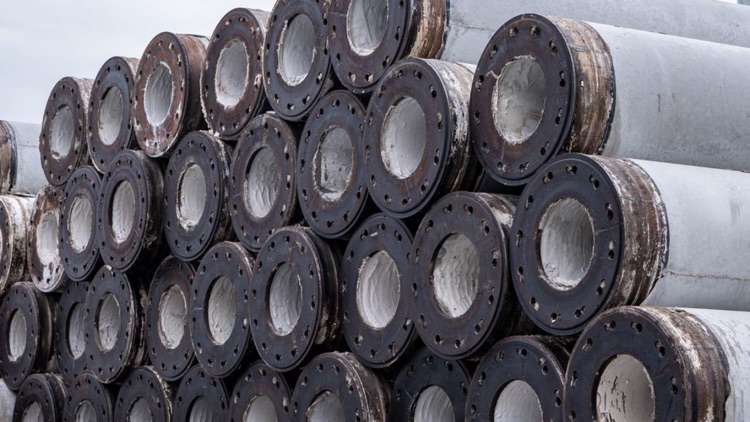
AS/NZS 1163 steel pipe usually refers to cold-formed structural steel hollow sections used in Australian and New Zealand style specifications. In buying language, this often means CHS, SHS, or RHS material used for structural fabrication rather than pressure piping.
The standard name alone is not enough for a purchase order. Buyers still need section form, grade, dimensions, wall thickness, length, surface finish, documents, and packing details. Without those fields, suppliers may quote different hollow sections under the same broad standard name.
For a focused product reference, see this as1163 steel pipe page.
Start with the Correct Product Form
AS/NZS 1163 material is commonly supplied as CHS, SHS, and RHS. CHS means circular hollow section. SHS means square hollow section. RHS means rectangular hollow section.
These forms are not interchangeable. A circular section may suit columns, handrails, or certain exposed structures. Square and rectangular sections often simplify welded frames and plate connections. The project drawing should decide the form.
Confirm Grade Before Price
Buyers commonly see grade language such as C250, C350, or C450. The correct grade should come from the design documents. Do not change grade because a supplier has a more convenient stock item.
If a supplier proposes another grade, keep it separate as an alternate offer. The quote should explain what changed and whether mechanical properties, documents, and compliance still match the project.
Dimensions and Wall Thickness
For CHS, state outside diameter and wall thickness. For SHS and RHS, state outside dimensions and wall thickness. Include length requirements, tolerance, and whether random or fixed lengths are acceptable.
Wall thickness affects strength, weight, welding, connection details, and price. A hollow section with the same outside dimensions but a thinner wall is not an equivalent quote.
Finish and Fabrication
AS/NZS 1163 steel pipe may be supplied bare, oiled, primed, painted, galvanized, or prepared for later fabrication. The required finish depends on the project environment and fabrication sequence.
If material will be welded, drilled, cut, or hot-dip galvanized after fabrication, coordinate finish and packing with the fabricator. Surface decisions made too late can create rework.
Documents and Traceability
Project buyers may need MTCs, heat traceability, dimensional inspection, compliance statements, and packing lists. Ask for documents before quotation, not after shipment.
Traceability also depends on marking. Bundles should be marked by size, grade, heat, and purchase order line when the project requires document control.
RFQ Wording Example
Useful wording:
“AS/NZS 1163 steel pipe, C350 CHS, OD and wall per attached MTO, fixed length as listed, bare finish, MTC and heat traceability required, bundled and marked by line item.”
For SHS or RHS, replace OD with outside dimensions and wall thickness. If the destination project has a certificate format requirement, include it in the same RFQ.
Quote Review Checks
Before approving an offer, confirm standard, grade, section form, dimensions, wall, length, finish, documents, packing, and delivery time. If another regional standard is offered, treat it as an alternate.
AS/NZS 1163 steel pipe should be bought from the project specification outward. Clear RFQ details make supplier quotes comparable and reduce the risk of receiving generic hollow sections that do not meet the job.
Common Quote Problems
The most common problem is incomplete size language. “AS/NZS 1163 pipe, 100 mm” does not define whether the buyer needs CHS, SHS, or RHS, and it does not define wall thickness. Suppliers may quote different products while appearing to answer the same inquiry.
Another problem is treating AS/NZS 1163 as interchangeable with another hollow-section standard. ASTM A500, EN 10219, and regional structural tube standards may be useful in other projects, but they are not automatic replacements. If a supplier offers another standard, request a side-by-side comparison and approval.
Receiving Checks
When material arrives, check bundle tags, section form, grade, dimensions, wall thickness, length, quantity, and MTCs before fabrication starts. Once hollow sections are cut or mixed into shop batches, traceability becomes harder to control.
For export shipments, ask for packing lists that match the purchase order line items. This helps the warehouse separate CHS, SHS, and RHS material without measuring every piece.
When to Ask for Clarification
Ask for clarification if the supplier writes only “AS1163 tube” without grade, section type, wall thickness, or MTC status. That wording is too loose for project supply.
Also check whether the quote says AS 1163, AS/NZS 1163, or another regional standard. If the project document uses one exact standard name, keep that wording consistent across the RFQ, quote, invoice, packing list, and inspection report.