The case for furnished rental properties is straightforward in theory: tenants pay more for a unit they can move into without buying furniture, and landlords capture that premium as higher monthly income. In practice, the relationship between furnishing investment and rental return is more complicated. Some furnished properties command sustained premiums and attract long-term tenants who look after them well. Others sit vacant longer, turn over faster, and generate maintenance costs that erode whatever rent premium they achieved.
The difference usually comes down to what was furnished and how, not whether the property was furnished at all.
The Tenant Profile That Actually Pays the Premium
The premium for furnished rentals comes from a specific tenant profile: professionals relocating for work, corporate tenants on extended assignments, international residents who arrive without household goods, and higher-income tenants who value convenience over customization. These tenants are willing to pay meaningfully more per month for a well-fitted property, and they tend to stay longer and treat the property better than budget-segment tenants.
The problem is that this tenant profile has a threshold. They’re willing to pay for quality, but they’re comparing against other options — serviced apartments, hotel apartments, other furnished rentals. A furnished property that meets their standard commands the premium. One that falls just below it doesn’t, and the gap in rent between the two can be larger than the gap in furnishing investment that created it.
Understanding what that threshold looks like — and what kind of furnishing investment is required to clear it — is more useful than simply deciding to offer a furnished unit and expecting the premium to follow automatically.
Built-In vs. Freestanding: Where the Investment Actually Goes
Most furnished rental properties use freestanding furniture: a bed frame, a wardrobe, a sofa, dining table and chairs. This approach is common because it’s familiar and because freestanding furniture can theoretically be moved or replaced between tenancies.
The problem is that quality freestanding furniture at the specification level that appeals to premium tenants is expensive, shows wear quickly in a rental context, and rarely fits the space as well as built-in alternatives. A wardrobe that was sized for a different room, a sofa that’s slightly too large for the living area, kitchen cabinets that were the standard developer fit-out rather than a considered specification — these small mismatches accumulate into a feeling that the property is functional rather than considered.
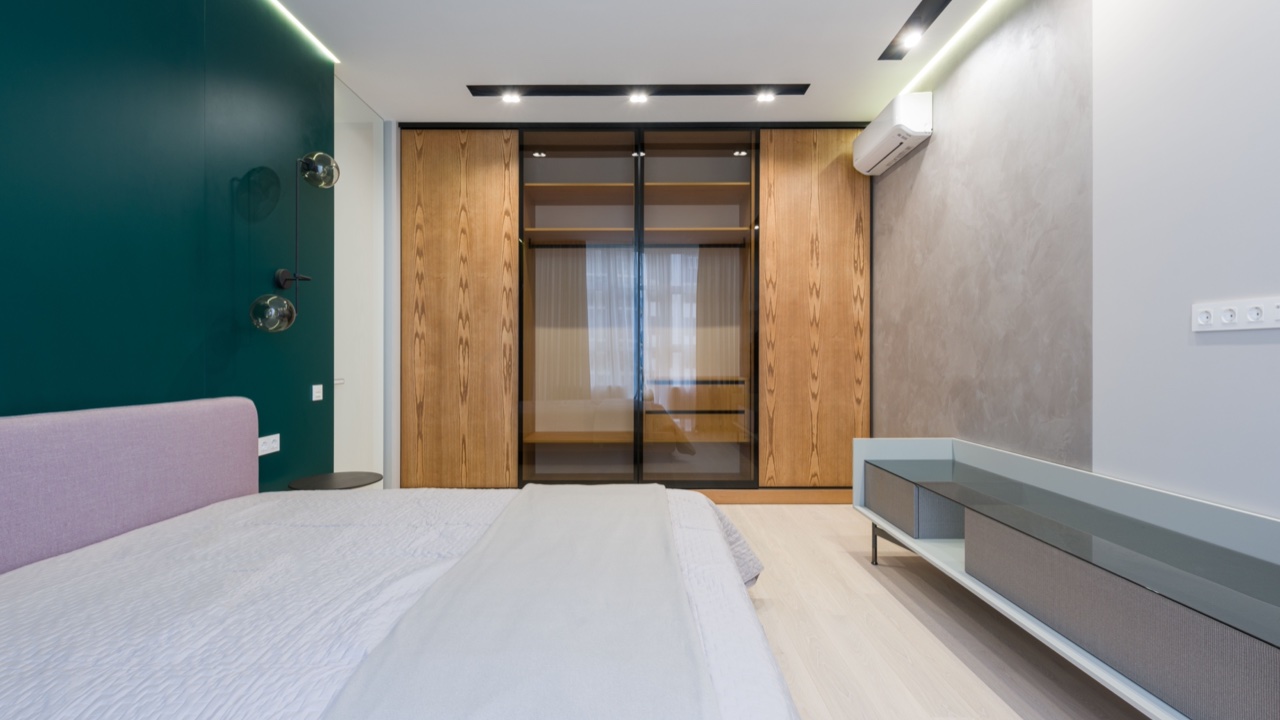
Built-in cabinetry and storage — wardrobes designed for the actual bedroom dimensions, kitchen cabinets that use the space properly, storage solutions that serve the way the apartment is actually used — create a different impression. They read as intentional. They also hold up better in a rental context than freestanding furniture, because there’s nothing to move, chip, or misalign. Over a ten-year investment horizon, the maintenance cost difference between a considered built-in fit-out and repeated freestanding furniture replacement is significant.
The Kitchen as the Make-or-Break Room
For premium rental tenants, the kitchen condition is a primary decision factor in a way that it isn’t for budget tenants. A kitchen that reads as dated, cramped, or low-specification filters out exactly the tenants who would justify the premium.
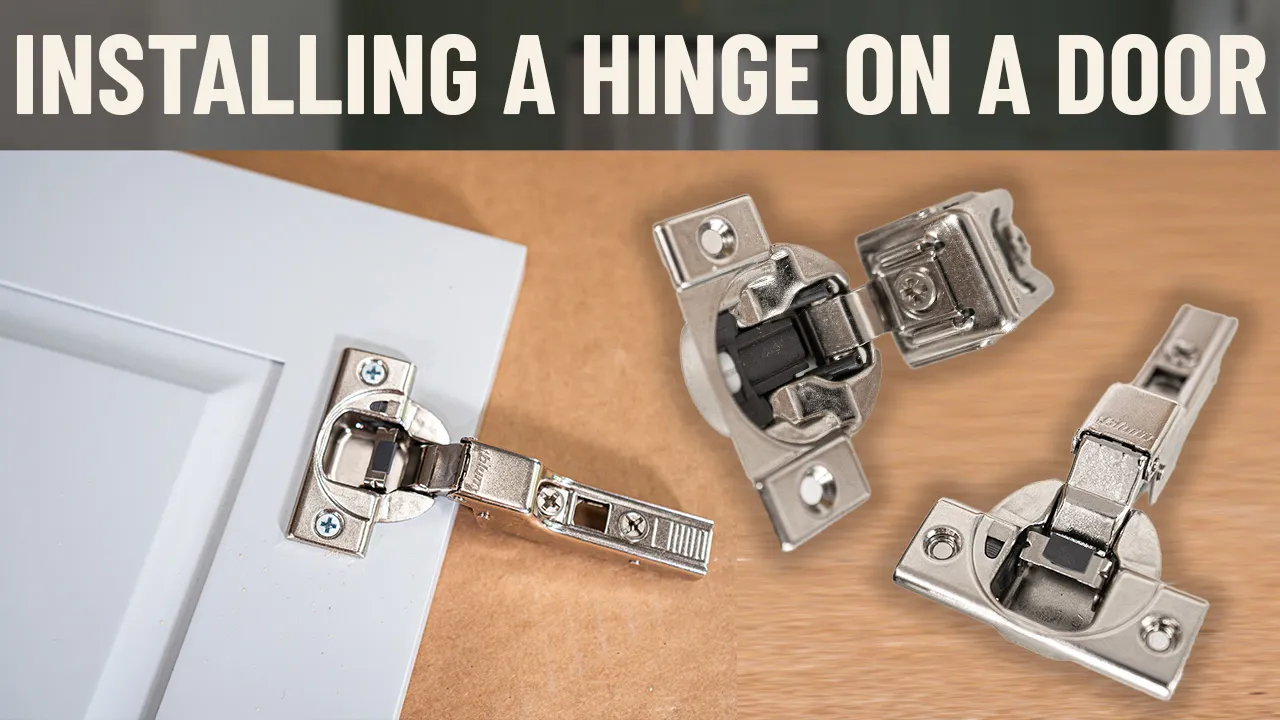
Cabinet quality is the visible proxy for kitchen quality. Doors that open and close well, finishes that look maintained, storage that’s configured logically — these signal a landlord who has invested in the property rather than one who has done the minimum. Conversely, cabinet doors with worn edges, hinges that don’t hold adjustment, finishes that have started to lift or chip — these signal a property that will become a maintenance conversation.
The economics work in the landlord’s direction here more than they might appear. The cost difference between a kitchen that clears the premium tenant threshold and one that doesn’t is often smaller than the rent differential those tenants represent, especially over a multi-year tenancy. The investment calculates differently when it’s spread over a seven or ten-year period rather than evaluated as an upfront number.
Consistency Across Rooms
Premium tenants who are paying for a turnkey experience notice when the property feels inconsistent — when the master bedroom wardrobe is well-fitted but the second bedroom has a freestanding unit that doesn’t quite fit the space, or when the kitchen cabinets are a different material family from the bathroom vanities.
This consistency is easier to achieve when the furnishing scope is planned and executed as a whole rather than assembled room by room from different sources. A landlord who has specified kitchen, wardrobes, and bathroom storage as a single package, with a consistent material palette and a single supplier, ends up with a property that reads as designed rather than assembled.
For investment properties where this level of coordination is the goal, custom home furnishing solutions from a manufacturer who covers kitchen, wardrobe, and bathroom categories under one scope offer a practical path to that consistency — and to a spec that holds up over the tenancy cycles that determine whether the premium investment actually returns.
The Maintenance Calculation
Furnished rental properties have ongoing maintenance costs that unfurnished ones don’t. Hardware that wears out needs replacing. Surfaces that get damaged need refinishing. Storage that breaks needs repair or replacement. These costs don’t appear on the initial investment calculation but they appear on every year’s operating statement.
The quality of the original furnishing fit-out determines the trajectory of those costs. A fit-out using good-quality cabinet construction and hardware from established manufacturers generates lower maintenance costs over time than one using budget alternatives — not because better quality doesn’t eventually wear, but because it wears more slowly and more predictably, and when it does need attention, the repair is simpler.
Landlords who have owned furnished properties for more than a few years develop a strong intuition for this. The properties that perform best financially over a ten-year hold tend to be the ones where the initial fit-out investment was made thoughtfully rather than minimized. The savings from the cheaper fit-out get spent on maintenance and on the lower rents that result from a property that no longer reads as premium.
What the Premium Actually Requires
The furnished rental premium isn’t automatic. It comes from clearing a threshold that premium tenants apply, and that threshold is set by what else is available in the market. In a city with good serviced apartment stock and well-fitted competing properties, the bar is higher than in a market with limited options.
The investment decision worth making is: what does this property need to look like to attract and retain the tenants who justify the premium, and what does it cost to get there? In most cases, the answer is a kitchen that performs, storage that’s well-fitted and consistent, and a finish level that doesn’t require apologizing. Those are achievable without extravagant investment — but they do require treating the furnishing fit-out as a specification decision rather than a cost to minimize.